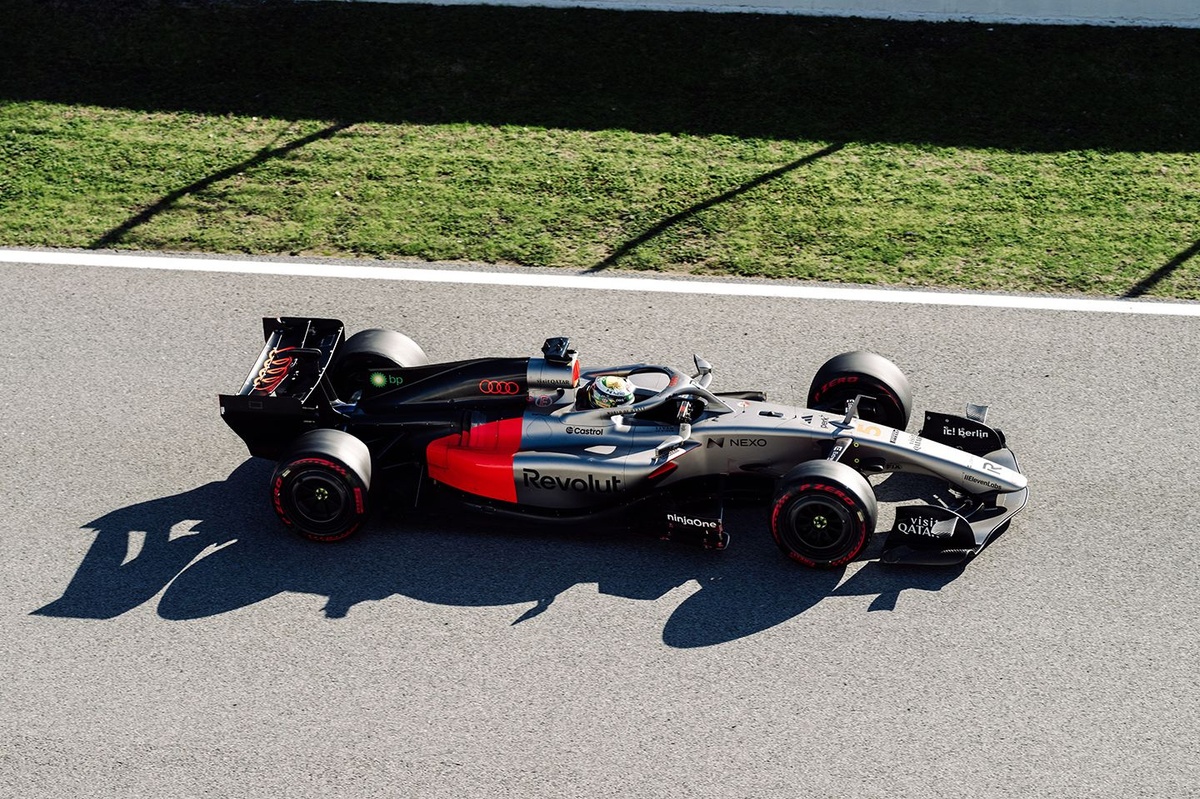
In Barcelona, the Formula 1 grid consisting of 11 teams had their initial opportunity to test their new cars and power units ahead of the 2026 season. This shakedown was crucial for teams to evaluate the performance and reliability of their vehicles under real-world conditions, as well as to gather valuable data for further development.
The testing session provided a unique glimpse into the vastly different designs and technologies being implemented by each team. With new regulations and technical specifications introduced for 2026, teams have been working tirelessly to optimize their cars to gain a competitive edge. The Barcelona track served as an ideal testing ground due to its varied layout, which allows teams to assess different aspects of vehicle performance, including aerodynamics, handling, and power delivery.
During the shakedown, teams focused on several key areas. Firstly, they evaluated the new power units, which are expected to be more efficient and environmentally friendly, aligning with F1's push toward sustainability. Engineers closely monitored engine performance, fuel consumption, and thermal management to ensure reliability over race distances.
Secondly, aerodynamic testing was a major focus. Teams used the Barcelona track to analyze airflow, downforce, and drag characteristics of their new bodywork designs. This data is vital for refining the cars before the official season begins, as even small aerodynamic improvements can significantly impact lap times and race strategy.
Additionally, teams conducted system checks and software calibrations to optimize electronic control units and telemetry systems. These components are essential for real-time data collection and vehicle management during races, making their reliability and accuracy paramount.
Overall, the Barcelona shakedown was a critical step in the lead-up to the 2026 season. It allowed teams to identify potential issues early and make necessary adjustments. While the testing was primarily focused on performance evaluation, it also served as a morale booster, demonstrating the progress made in car development and engineering innovation.
As the teams move forward, they will continue to refine their cars based on the insights gained during this initial testing phase. The upcoming races will reveal how effectively they have translated these developments into competitive performance, setting the stage for an exciting new chapter in Formula 1.